
Navigating the Investment Landscape: Understanding the Startup Ecosystem
📦 Recommended Products


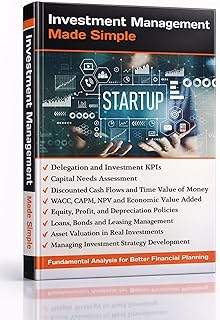
The startup ecosystem is a dynamic and complex environment that has evolved significantly over the past few years. In 2026, startups are not just about innovative ideas; they are about navigating a multifaceted investment landscape that includes venture capital, angel investors, crowdfunding, and more. This landscape is characterized by rapid changes, emerging technologies, and shifting investor priorities. Understanding these elements is crucial for any startup aiming to secure funding and achieve sustainable growth.
Startups often face the challenge of identifying the right type of funding that aligns with their business model and growth stage. The investment landscape is not one-size-fits-all; it requires careful consideration of various factors such as market trends, investor expectations, and the startup’s unique value proposition. This article aims to provide a comprehensive guide for startups to navigate this investment landscape effectively.
- ✅ Understanding different funding sources
- ✅ Identifying the right investors
- ✅ Crafting a compelling pitch
Understanding Different Funding Sources
In the realm of startup funding, there are several primary sources that entrepreneurs can tap into. Each source has its own advantages and disadvantages, and understanding these can help startups make informed decisions.
1. Venture Capital (VC): Venture capitalists are professional investors who manage pooled funds from various sources to invest in high-growth startups. They typically look for companies with the potential for substantial returns and often require a significant equity stake. The VC funding process can be rigorous, involving extensive due diligence and negotiations. However, securing VC funding can provide startups not only with capital but also with valuable mentorship and industry connections.
2. Angel Investors: Angel investors are wealthy individuals who provide capital to startups in exchange for equity. They often invest in the early stages of a startup and can be more flexible than VCs in terms of funding amounts and terms. Angel investors can also offer mentorship and networking opportunities, which can be invaluable for fledgling companies.
3. Crowdfunding: Crowdfunding platforms allow startups to raise small amounts of money from a large number of people, typically via the internet. This method has gained popularity due to its accessibility and the ability to validate business ideas through public interest. However, it requires a strong marketing strategy to attract backers and may not always provide sufficient funds for larger projects.
4. Bootstrapping: Many entrepreneurs choose to self-fund their startups through personal savings or revenue generated from early sales. While this approach allows for greater control and less dilution of ownership, it can also limit growth potential and increase personal financial risk.
Each funding source has its own implications for ownership, control, and growth potential. Startups must carefully evaluate their options and choose the path that aligns best with their long-term goals.

Identifying the Right Investors
Once a startup has a clear understanding of its funding options, the next step is to identify the right investors. This process involves researching potential investors and aligning their interests with the startup’s vision.
1. Researching Investors: Startups should compile a list of potential investors who have a history of investing in their industry or business model. Platforms like Crunchbase and AngelList can provide valuable insights into investor backgrounds, past investments, and areas of interest.
2. Understanding Investor Motivations: Different investors have varying motivations for funding startups. Some may prioritize financial returns, while others may be more interested in supporting innovative technologies or social impact initiatives. Understanding these motivations can help startups tailor their pitches to resonate with potential investors.
3. Networking and Building Relationships: Establishing connections with potential investors is crucial. Startups can attend industry events, pitch competitions, and networking meetups to engage with investors and build relationships. A warm introduction from a mutual connection can significantly increase the chances of securing funding.
4. Crafting a Targeted Approach: Instead of sending generic pitches to a wide range of investors, startups should focus on crafting personalized pitches that address the specific interests and concerns of each investor. This targeted approach demonstrates diligence and increases the likelihood of a positive response.
Identifying the right investors is not just about securing funding; it’s about finding partners who share the startup’s vision and can contribute to its growth journey.
Crafting a Compelling Pitch
Once a startup has identified potential investors, the next critical step is to craft a compelling pitch. A well-structured pitch can make a significant difference in attracting investment.
1. The Elevator Pitch: Startups should begin with a concise elevator pitch that clearly articulates their value proposition. This pitch should be engaging and easy to understand, capturing the essence of the business in under a minute.
2. The Business Plan: A comprehensive business plan should accompany the pitch. This document should outline the startup’s mission, market analysis, competitive landscape, revenue model, and financial projections. Investors want to see a clear path to profitability and growth.
3. The Team: Investors often invest in teams as much as they invest in ideas. Startups should highlight the strengths and relevant experiences of their founding team. Demonstrating a strong, capable team can instill confidence in investors.
4. Visual Aids: Incorporating visual aids such as slides or infographics can enhance the pitch. Visuals help convey complex information more effectively and keep the audience engaged.
5. Practice and Feedback: Before presenting to investors, startups should practice their pitch multiple times and seek feedback from mentors or peers. This practice can help refine the delivery and address any potential weaknesses in the pitch.
A compelling pitch is not just about presenting facts; it’s about telling a story that resonates with investors and inspires them to support the startup’s vision.
Leveraging Technology and Trends in Investment
The investment landscape is continuously evolving, influenced by technological advancements and emerging trends. Startups must stay informed about these changes to remain competitive.
1. The Rise of Fintech: Financial technology (fintech) has transformed how startups access funding. Online platforms and apps have made it easier for entrepreneurs to connect with investors and manage their finances. Startups should leverage these tools to streamline their funding processes.
2. Impact Investing: There is a growing trend towards impact investing, where investors seek to generate social or environmental benefits alongside financial returns. Startups that align their missions with these values may find it easier to attract funding from socially conscious investors.
3. Data-Driven Decision Making: Utilizing data analytics can help startups make informed decisions about their funding strategies. By analyzing market trends and investor behavior, startups can tailor their approaches and improve their chances of success.
4. The Role of Social Media: Social media platforms can be powerful tools for startups to showcase their products, engage with potential investors, and build a community around their brand. A strong online presence can enhance credibility and attract attention from investors.
Staying ahead of technological trends and leveraging them effectively can provide startups with a competitive edge in the investment landscape.
In summary, navigating the investment landscape requires a multifaceted approach that encompasses understanding funding sources, identifying the right investors, crafting compelling pitches, and leveraging technology. By mastering these elements, startups can position themselves for success in a competitive environment.